
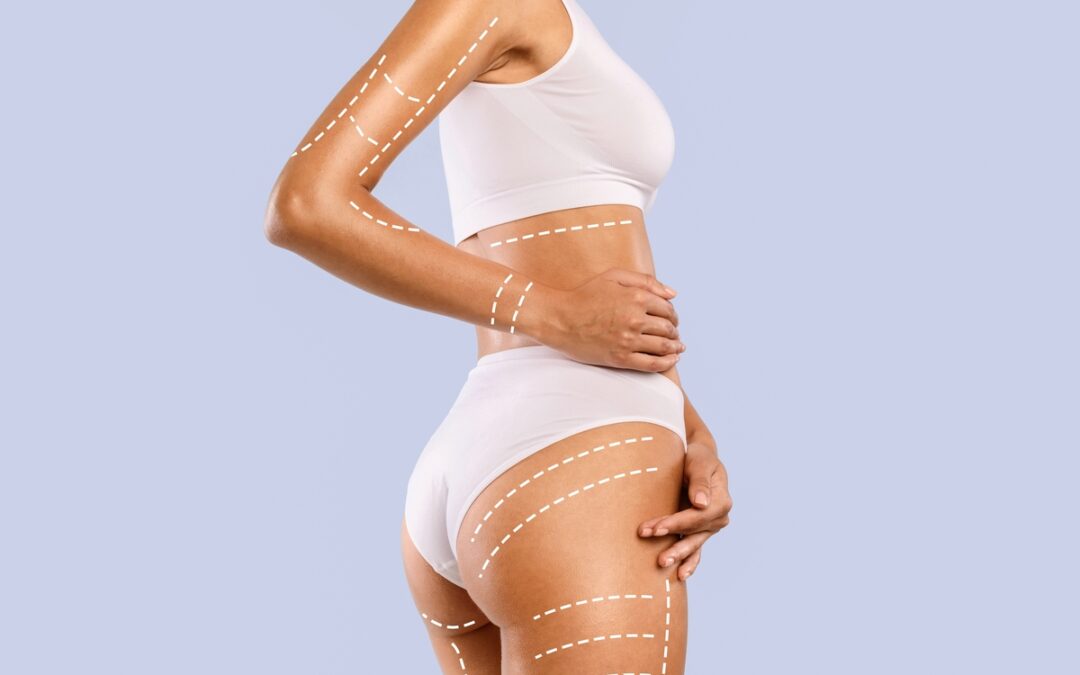
If you have been researching non-surgical options for firmer skin, you have probably come across XERF skin tightening. Most people first hear about it in the context of the face or jawline, but one of the questions that comes up often is whether it can be used on other parts of the body as well. The answer is yes, and understanding which areas respond well to this type of treatment can help you figure out whether it fits what you are looking for.
This article breaks down the body areas that can be treated, what makes each one a good candidate for radiofrequency-based tightening, and what you can realistically expect from the process.
How Radiofrequency Tightening Works
Before getting into specific treatment areas, it helps to understand the basic mechanism behind XERF skin tightening. The device delivers controlled radiofrequency energy into the deeper layers of the skin. This gentle heat triggers the body’s natural collagen and elastin production process, which gradually improves firmness and texture over time.
According to the American Academy of Dermatology, radiofrequency treatments work by heating the dermis, which stimulates new collagen formation and can produce visible tightening in the treated area without damaging the surface of the skin. Because the process works with the body’s own repair system, results develop gradually over weeks to months rather than overnight.
This mechanism is what makes XERF skin tightening versatile. As long as the tissue in a given area has the right depth and characteristics for radiofrequency energy to be applied safely and effectively, multiple body regions can benefit from the treatment.
What Areas of the Body Can XERF Skin Tightening Treat?
The Face
The face is the most common area treated with XERF skin tightening. As collagen levels decline with age, the skin on the cheeks, around the eyes, and across the forehead can begin to lose its structure. Radiofrequency energy penetrates the skin’s deeper layers in these areas to encourage new collagen production and improve firmness.
Common facial zones that respond well include:
- Cheeks and midface
- Forehead and brow area
- Under-eye skin with early laxity
- Nasolabial folds (the lines that run from the nose to the corners of the mouth)
- Overall skin texture and tone across the face
Because the skin on the face is relatively thin, treatment parameters are carefully calibrated to deliver the right level of energy for safe and comfortable results.
The Jawline
Jawline definition is one of the most requested treatment goals among people exploring non-surgical options. As the skin along the lower face and jaw begins to loosen, it can create a softer or less defined contour. XERF skin tightening targets this area by warming the tissue along the jaw, encouraging the skin to firm and tighten gradually.
This is a particularly effective area for radiofrequency treatment because the tissue responds well to the controlled heat, and improvements in definition can become visible over the weeks following treatment.
The Neck
The neck is another area that responds well to radiofrequency-based tightening. Loose or crepey skin on the neck is one of the earlier signs of skin laxity that many people notice, and it is also an area that can be difficult to address without more invasive procedures.
According to the National Institutes of Health, collagen production in the skin begins to decline at roughly one percent per year after the age of 20, which explains why the neck, an area with thinner skin, often shows early changes in firmness and elasticity. XERF skin tightening can help address mild to moderate laxity in this area by stimulating the skin’s natural repair process from within.
Under the Chin
The area directly under the chin is closely related to both the neck and jaw treatment zones. Skin laxity in this area is common and can become more noticeable with age or following changes in weight. Because the tissue here is accessible and responds to radiofrequency energy, it is frequently included in treatment plans alongside the jawline and neck.
The Abdomen
Loose skin on the abdomen is a concern for many people, particularly following weight loss, pregnancy, or natural aging. While XERF skin tightening is not a body contouring treatment and does not address fat, it can be beneficial for individuals who have mild to moderate skin laxity in the abdominal area and are looking for a non-surgical option to improve firmness.
According to the Cleveland Clinic, non-invasive radiofrequency treatments for body skin laxity are best suited for people with mild to moderate looseness rather than significant excess skin, which is an important distinction when setting expectations.
Candidates for abdominal treatment typically include:
- People who have lost a moderate amount of weight and notice skin looseness
- Individuals who have experienced changes in skin texture after pregnancy
- Adults who notice gradual loosening with age and want to address it before it becomes more pronounced
The Arms
The upper arms are another area where skin laxity tends to develop over time, particularly along the inner arm. This looseness can be frustrating for people who are otherwise happy with their overall body composition but notice changes in skin firmness in this specific zone.
XERF skin tightening can be applied to the upper arm area to help stimulate collagen and improve skin texture. Results in body areas like the arms tend to develop more gradually than facial treatments, but consistent improvement in firmness is possible with the right number of sessions.
The Thighs and Knees
The inner thighs and the skin around the knees are areas where skin elasticity can diminish noticeably with age or weight changes. Loose skin around the knees in particular is something that many people notice when it begins to affect how the knee area looks and feels.
Radiofrequency tightening can be used in these areas to address mild laxity and improve overall skin quality. As with the arms, the skin in these areas responds to the collagen-stimulating effects of the treatment over time.
What Determines Whether an Area Is Treatable
Not every area of the body is equally suited to XERF skin tightening, and a consultation with a qualified provider is the right way to determine whether a specific zone is appropriate for treatment. Several factors influence this assessment:
- The degree of skin laxity present (mild to moderate responds best)
- The thickness of the skin in the target area
- The overall health and condition of the skin
- Whether there are any underlying concerns that would affect treatment safety
- Realistic expectations for the type of improvement that is achievable
People with significant excess skin or more advanced laxity may find that radiofrequency tightening alone does not produce the degree of change they are looking for, and a provider can help clarify what is realistic based on an individual assessment.
How Treatment Differs by Area
One thing worth understanding is that the same device and technology can be adjusted to suit different treatment areas. The energy levels, application technique, and number of passes used during a session will vary depending on the thickness of the skin and the sensitivity of the area being treated.
Facial treatments are typically performed with careful attention to delicate zones, while body areas like the abdomen or thighs may allow for slightly different settings. This customization is part of what makes a skilled, experienced provider important when pursuing any radiofrequency treatment.
You can learn more about how the treatment works and what to expect by reading What Is a XERF Skin Tightening Treatment and How Does It Work?
Frequently Asked Questions
Can XERF skin tightening be used on the body, or is it only for the face?
XERF skin tightening can be used on multiple areas of the body, including the neck, jawline, under the chin, abdomen, arms, thighs, and knees. The face and jawline are the most commonly treated areas, but body treatments are available for those with mild to moderate laxity in other zones.
How many sessions are needed for body areas like the abdomen or arms?
The number of sessions needed varies depending on the area being treated and the degree of laxity present. Some people see meaningful improvement after one session, while others benefit from a series of two to three treatments spaced several weeks apart. A provider consultation will give you a clearer picture of what to expect for your specific area of concern.
Is XERF skin tightening painful on body areas?
Most people describe the sensation as a warm, comfortable feeling during treatment. Body areas with thicker skin may feel slightly different than the face, but the treatment is generally well tolerated. There is no numbing or downtime required.
Who is not a good candidate for XERF skin tightening?
People with significant excess skin or advanced laxity may not achieve the level of results they are hoping for with radiofrequency alone. Additionally, anyone with certain medical devices, active skin infections, or other health considerations in the treatment area should discuss their situation with a provider before proceeding.
How long do results last on body areas?
Results from radiofrequency tightening typically last 12 to 18 months, depending on the area treated, the individual’s skin condition, and lifestyle factors. Maintenance sessions are commonly recommended to sustain the improvements over time.
Does XERF tighten skin after weight loss?
XERF skin tightening can help improve mild to moderate skin laxity that follows weight loss, particularly in areas like the abdomen and arms. It works best when the degree of looseness is moderate rather than significant. A consultation will help determine whether it is the right fit for your situation.
Conclusion
XERF skin tightening is more versatile than many people realize. While the face, jawline, and neck are the most familiar treatment areas, the technology can also be applied to the abdomen, arms, thighs, and knees for people experiencing skin laxity in those zones. Understanding which areas respond best, and what level of laxity the treatment is designed to address, helps set realistic expectations before starting.
If you are curious about whether a specific area of concern is a good fit for this type of treatment, a consultation is the most straightforward way to get a clear answer.
To learn more about the treatment and how it works, visit our XERF skin tightening service page or read about XERF RF Skin Tightening in Wesley Chapel to find out more about what is available locally.
Medical Disclaimer
The information provided in this article is for educational purposes only and is not intended as medical advice. It does not replace a consultation with a licensed medical professional. Individual results vary, and only a qualified provider can determine whether XERF skin tightening or any other treatment is appropriate for your specific needs and health history. Always consult with a licensed healthcare professional before beginning any aesthetic treatment.
References
American Academy of Dermatology Association. (2024). Skin tightening and nonsurgical cosmetic procedures. https://www.aad.org/public/cosmetic/younger-looking/skin-tightening
American Society for Dermatologic Surgery. (2024). Skin tightening treatments and procedures. https://www.asds.net/skin-experts/skin-treatments/skin-tightening
Cleveland Clinic. (2024). Skin laxity and collagen loss. https://health.clevelandclinic.org/collagen-loss-aging-skin
Mayo Clinic. (2024). Radiofrequency treatment for skin tightening. https://www.mayoclinic.org/tests-procedures/radiofrequency-treatment/about/pac-20546862
National Library of Medicine. (2023). Radiofrequency-based skin tightening and body contouring treatments. https://pubmed.ncbi.nlm.nih.gov/35642147/
U.S. Food and Drug Administration. (2024). Energy-based cosmetic devices for skin treatments. https://www.fda.gov/radiation-emitting-products/cosmetic-devices/energy-based-devices-cosmetic-procedures