
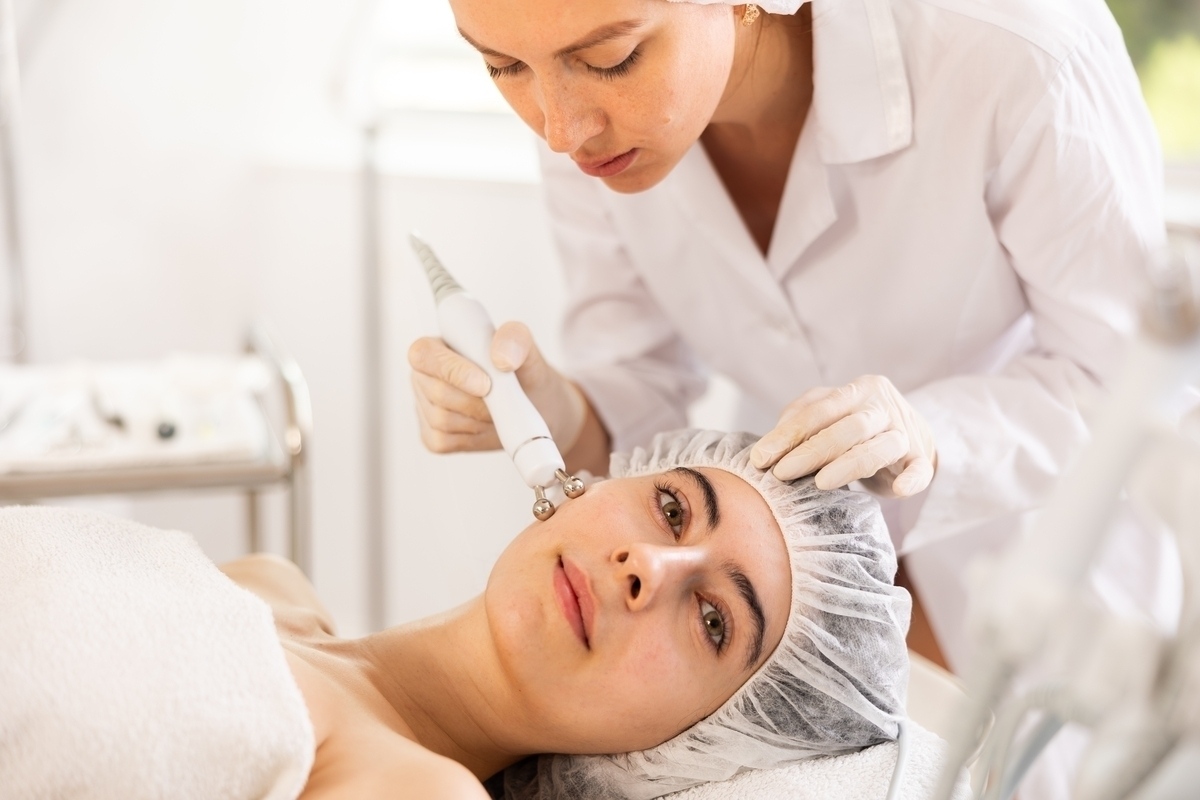
If you have been researching non-surgical options for firmer, tighter skin, you may have come across the term XERF. It is a radiofrequency-based skin tightening treatment that has gained recognition for producing gradual, natural-looking results without surgery, needles, or significant downtime.
Understanding what is XERF skin tightening and how it works can help you make a more informed decision about whether it is the right treatment for your specific concerns. This post explains the technology behind XERF, what it is designed to address, what to expect during and after treatment, and who tends to benefit most from it.
XERF is a non-invasive treatment that applies controlled radiofrequency energy to firm and lift the skin from within. Rather than physically altering tissue through surgery, it uses thermal energy to activate the body’s own collagen repair response in the deeper layers of the skin. Over time this leads to firmer, tighter, and more lifted skin without incisions or recovery time.
The name XERF refers to the specific radiofrequency technology used in this treatment. It is designed to target skin laxity — the looseness and sagging that develops over time as the skin’s structural support proteins naturally decline with age.
Key characteristics of XERF skin tightening include:
To understand what is XERF skin tightening, it helps to understand how radiofrequency energy interacts with skin tissue.
Radiofrequency is a form of electromagnetic energy. When delivered through a handheld device into the skin, it converts to thermal energy in the deeper layers of the dermis. This controlled heating triggers the skin’s natural repair and regeneration process that leads to firmer, tighter tissue over time.
According to WebMD, radiofrequency targets the skin’s deeper layers using a handheld device to send heat into tissue, triggering collagen production. The skin responds to this controlled heat by initiating a natural repair and regeneration process that leads to firmer, tighter skin over time.
The two key effects of radiofrequency energy on the skin:
XERF is specifically designed to address skin laxity — the loss of firmness and tightness that occurs as collagen and elastin production naturally declines with age. It is not designed to treat dynamic wrinkles caused by muscle movement, which require a different approach.
Common concerns that XERF addresses include:
XERF is most effective for adults experiencing mild to moderate skin laxity who want gradual, natural improvement without the recovery time associated with surgical procedures.
Collagen is the structural protein that gives skin its firmness, elasticity, and youthful appearance. As the body ages, collagen production naturally slows, which leads to the gradual loss of skin firmness and the development of sagging and laxity.
According to the American Academy of Dermatology, radiofrequency skin tightening works by placing a device against the skin which heats the tissue beneath, with most people feeling some tightening right away. Because it takes time for the body to produce new collagen, the best results typically develop over approximately six months, and results can last two to three years with appropriate skin care.
The collagen stimulation process with XERF follows a predictable biological sequence:
This process is entirely natural. XERF does not introduce any substances into the skin. It simply uses controlled heat to activate the body’s own repair mechanisms.
A XERF treatment session is performed in a clinical setting by a trained provider. Understanding what to expect during the procedure helps reduce any uncertainty about the process.
Before the session:
During the session:
After the session:
Results from XERF skin tightening develop gradually rather than immediately, which reflects the biological nature of the collagen stimulation process.
Typical results timeline:
According to PubMed, clinical research has confirmed that skin tightening following non-invasive radiofrequency treatment is proven histologically and biochemically to derive from an increase in dermal collagen synthesis and content. This confirms that the results are not superficial but reflect genuine structural changes within the skin.
Individual results vary depending on factors including age, degree of skin laxity, number of sessions completed, and overall skin health.
XERF is one of several non-surgical options available for skin tightening, and understanding how it compares to other approaches helps clarify what makes it a distinct choice.
Compared to injectable treatments such as Botox:
Compared to surgical facelifts:
Compared to other radiofrequency devices:
For more detail on how many sessions are typically needed and what the treatment plan looks like, the post on how many XERF sessions you need to see results covers this in depth.
XERF skin tightening is best suited for adults who are experiencing early to moderate signs of skin laxity and want a non-surgical approach to restoring firmness.
Good candidates typically include:
XERF may not be appropriate for:
A thorough consultation with a qualified provider is the most reliable way to determine whether XERF is the right choice for an individual’s specific concerns and goals.
XERF is FDA cleared for non-invasive skin tightening and has an established safety profile when performed by a trained provider. The treatment is designed with built-in temperature monitoring to protect the outer layer of the skin while delivering therapeutic heat to the dermis.
Common side effects are mild and temporary:
Serious side effects are rare when the treatment is performed correctly by a qualified provider. The risk of adverse effects is minimized by proper patient selection, correct device settings, and consistent monitoring during treatment.
Most people describe the sensation during XERF treatment as warm or mildly hot rather than painful. The level of warmth varies depending on the treatment area and individual sensitivity. The treatment is generally well tolerated without the need for numbing cream or anesthesia.
Most treatment plans involve three to six sessions spaced several weeks apart. The exact number depends on the degree of skin laxity, the treatment area, and the individual’s collagen response. A provider can recommend the appropriate plan during a consultation.
Results typically become most visible at three to six months and can last one to two years depending on the individual. Maintenance sessions once or twice per year can help extend and preserve results over time.
Yes. XERF can be used on multiple areas of the body including the face, neck, jawline, abdomen, arms, and thighs. The treatment is versatile and can be customized to address laxity in different areas depending on the individual’s concerns.
Most people experience no downtime after a XERF session and return to normal activities immediately. Mild redness or warmth may be present for a few hours but typically resolves quickly without any special care.
What is XERF skin tightening at its core is a non-invasive approach that uses controlled radiofrequency energy to reactivate the skin’s collagen production and restore firmness to areas affected by laxity. Rather than producing overnight changes, it works progressively alongside the body’s natural regeneration process to deliver improvement that develops and matures over several months.
It is most effective for adults with mild to moderate skin laxity who are prepared for results that build gradually and want a non-surgical path to firmer, more lifted skin. Understanding the timeline and having realistic expectations about the degree of improvement are the most important factors in being satisfied with the outcome.
To learn more about XERF skin tightening and whether it may be appropriate for your concerns, visit the XERF skin tightening in Wesley Chapel, FL page for more information.
If you have been researching non-surgical options for firmer skin and want to understand whether XERF is appropriate for your concerns, speaking with a qualified provider is the most reliable starting point.

Personalized aesthetic and wellness care designed to help you look refreshed, feel confident, and support your well-being from the inside out.
Website Designed by IL Webdesign