
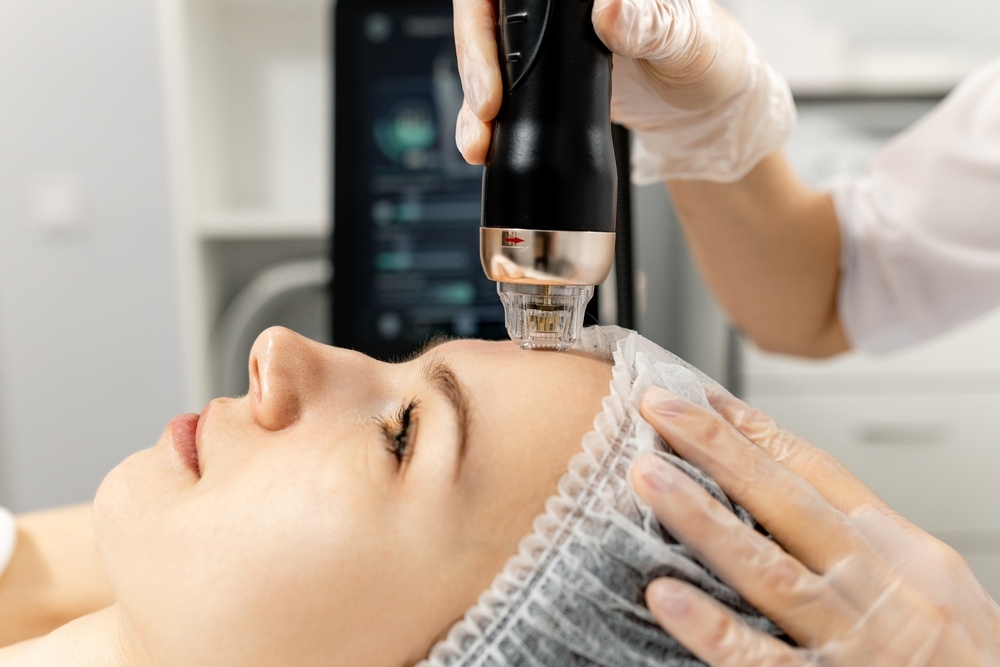
If you have been researching radiofrequency skin tightening treatment options, you have probably seen plenty of before-and-after photos and outcome descriptions. What you may not have found is a clear explanation of what is actually happening inside your skin during the session itself. No incisions. No injections. Nothing visibly traumatic, yet something is clearly changing. Understanding the biology behind this process helps you set realistic expectations, appreciate why results build gradually, and make a more informed decision about whether this treatment fits your goals. In this article, you will learn exactly what happens at a cellular level during a radiofrequency treatment, from the moment energy enters the skin to the months of collagen rebuilding that follow.
Why Skin Loses Firmness in the First Place
To understand what radiofrequency does, it helps to first understand why skin changes with age.
The firmness and elasticity you associate with youthful skin comes primarily from two structural proteins: collagen and elastin. Collagen acts as scaffolding, giving skin its structure and resistance to sagging. Elastin allows the skin to spring back after being stretched or compressed.
Starting in your mid-twenties, the body’s collagen production begins to decline at a rate of roughly one percent per year. By the time most people reach their forties or fifties, the cumulative loss of collagen and elastin has become noticeable. Skin that once appeared firm and tight may start to look looser around the jawline, cheeks, neck, or underneath the eyes.
External factors accelerate this process. Sun exposure, smoking, and significant weight fluctuations all contribute to collagen degradation and reduced skin elasticity. According to the American Academy of Dermatology, loss of collagen and elastin are among the primary biological reasons skin begins to sag and lose firmness with age.
Radiofrequency skin tightening treatments are designed to work with this biology rather than against it. Rather than adding a foreign substance or surgically repositioning tissue, RF treatments stimulate the skin’s own collagen production from within.
The Three Layers of Skin and Why the Dermis Matters
Your skin is made up of three primary layers, and understanding which layer radiofrequency targets explains a lot about why this technology works.
The Epidermis
The outermost layer is what you see and touch. It provides a protective barrier but contains very little collagen. Radiofrequency energy passes through this layer without damaging it.
The Dermis
The middle layer is the primary target of radiofrequency treatment. The dermis is where collagen and elastin fibers are concentrated. This is the structural layer responsible for skin firmness, and it is where the most meaningful changes occur during treatment.
The Hypodermis
The deepest layer is primarily composed of fat and connective tissue. Some advanced radiofrequency treatments reach this layer as well, but the dermis remains the primary zone of collagen activity.
Because radiofrequency energy is precisely controlled, it heats the dermis to a therapeutic temperature while leaving the epidermis protected and intact. This is what makes the treatment both effective and comfortable.
What Happens During the Treatment: A Step-by-Step Look
Here is a detailed breakdown of what is actually happening inside your skin from the moment the treatment begins.
Step 1: Radiofrequency Energy Enters the Skin
The handpiece is moved across the treatment area, delivering controlled radiofrequency energy through the surface of the skin. Unlike light-based treatments such as lasers, radiofrequency uses electromagnetic waves rather than light. This means it works effectively across a range of skin tones without the pigmentation risks that some laser treatments can carry.
The energy travels from the surface down through the epidermis and into the dermis. You may feel a gentle warming sensation as the device passes over the skin, and this warmth is the energy reaching the dermal layer where it needs to work.
Step 2: Controlled Heat Is Delivered to the Dermis
The radiofrequency energy converts to heat as it encounters resistance in the dermal tissue. The target temperature in the dermis is typically in the range of 40 to 45 degrees Celsius, which is warm enough to trigger a biological healing response but not hot enough to cause damage.
This controlled thermal effect is the core mechanism behind skin tightening. A cooling mechanism or gel is used during treatment to keep the surface comfortable and prevent heat from accumulating at the skin’s surface. The dermis is heated while the epidermis remains protected.
Step 3: Existing Collagen Fibers Contract
One of the immediate effects of controlled heat on collagen is contraction. Collagen molecules are made up of triple-helix protein strands. When exposed to controlled heat, these strands tighten and shorten slightly through a process called thermal denaturation.
This is responsible for the subtle initial tightening some people notice right after their first session. It is not a dramatic change, but it reflects real structural activity happening within the dermis.
Step 4: Fibroblasts Are Activated
This is where the longer-term results begin.
Fibroblasts are specialized cells in the dermis whose primary job is to produce collagen and elastin. When they detect the heat signal from radiofrequency treatment, they interpret it as a sign that repair and rebuilding is needed.
In response, fibroblasts ramp up their production of new collagen fibers to reinforce and replace older, weaker ones. This is the body’s natural regenerative response, triggered by heat in a controlled and non-damaging way. Research published by the National Institutes of Health confirms that fibroblast activation and new collagen synthesis are central to the skin remodeling process observed after thermal treatments, and that this response is consistent and measurable in clinical studies.
Step 5: The Collagen Remodeling Process Continues
The new collagen produced by activated fibroblasts does not appear overnight. Collagen synthesis and maturation is a gradual biological process. New fibers are laid down, organized, and strengthened over weeks and months.
This is why a radiofrequency skin tightening treatment does not produce instant dramatic results. Improvements build progressively as the new collagen network develops within the dermis. Most people begin noticing meaningful changes between four and eight weeks after their first session, with optimal results typically visible at three to six months. For a full breakdown of what the results timeline looks like, the radiofrequency skin tightening results guide covers each stage in detail.
What You Feel During the Session
Most people describe a radiofrequency skin tightening treatment as comfortable and relaxing. The most noticeable sensation is warmth, a deep penetrating heat that builds as the device passes over each area. This is a sign that the energy is reaching the dermis and working as intended.
No numbing cream is required because the procedure does not involve needles, injections, or physical trauma to the skin. The warmth is controlled and tolerable, and most people find the experience more pleasant than they expected.
Immediately after the session, some people notice mild redness or a warm flush in the treated area. This typically fades within a few hours, and there is no downtime so you can return to normal activities the same day.
Why Results Keep Improving After Your Appointment
This surprises many first-time patients, and it is one of the most important things to understand about this type of treatment.
The session itself is the trigger, not the result. What happens during your appointment is that you are setting off a biological process that continues working inside your skin for weeks and months after you leave.
Think of it like planting seeds. The treatment session plants the seeds of collagen production. The growth happens afterward, gradually and consistently, as fibroblasts produce and organize new collagen fibers throughout the dermis.
This is why measuring results at one week leads to disappointment because the meaningful changes are still building beneath the surface. It is also why a series of sessions tends to produce better outcomes than a single treatment. Each session adds another round of collagen stimulation, and the cumulative effect compounds over time. You can learn more about the full treatment process and what a series looks like in the XERF skin tightening treatment guide.
Which Areas Respond Well to Radiofrequency Treatment
Radiofrequency energy can be used on any area where skin laxity is a concern and the dermis is accessible. Common treatment areas include:
- The jawline and lower face, where skin often softens with age
- The neck, which shows collagen loss early and responds well to RF energy
- The cheeks and midface, where volume and firmness loss is common
- The forehead and brow area
- The abdomen, particularly after weight changes or pregnancy
- The inner arms and thighs
Treatment is customized to the specific areas each person wants to address and can be adapted based on individual skin concerns and goals.
Frequently Asked Questions
1. Does radiofrequency skin tightening actually work?
Yes. The mechanism of heating dermal tissue to stimulate fibroblast activity and collagen production is well-documented in dermatological research. Results vary by individual based on baseline skin laxity, age, and number of sessions completed, but the underlying biology is established and clinically studied.
2. Is a radiofrequency treatment painful?
Most people describe it as comfortable. You will feel warmth and occasionally a mild prickling sensation as the device passes over certain areas. No numbing cream is required, and the vast majority of people find the experience easy to tolerate.
3. How soon will I see results?
Some people notice subtle initial tightening right after their first session due to immediate collagen contraction. More visible changes typically appear between four and eight weeks as new collagen production increases. Full results are generally seen at three to six months following a course of treatments.
4. How is radiofrequency different from laser skin tightening?
Radiofrequency uses electromagnetic energy rather than light, which means it works across a wider range of skin tones without the pigmentation risks associated with some lasers. RF energy also penetrates deeper into the dermis, making it particularly effective for structural skin tightening rather than surface texture improvements.
5. How many sessions will I need?
This depends on your skin concerns, treatment areas, and goals. Many people start with a series and then move to periodic maintenance. Your provider will recommend a plan based on your individual assessment.
What to Take Away From This
Radiofrequency skin tightening works by delivering controlled heat deep into the dermis, the structural layer where collagen lives. That heat triggers two distinct responses: the immediate contraction of existing collagen fibers, and the longer-term activation of fibroblasts that produce new collagen over the weeks and months that follow. The result is gradual, natural-looking improvement in skin firmness without surgery, needles, or recovery time.
If you are still weighing your options, reading more about how XERF works can help you understand what makes this treatment different from other approaches. When you feel ready to learn more, a consultation is a good next step toward understanding what radiofrequency treatment could realistically do for your skin.
Medical Disclaimer
The information provided in this blog is for educational purposes only and should not be construed as medical advice. Every individual’s skin and health conditions are unique, and results from non-surgical skin tightening treatments may vary. It is important to consult with a qualified healthcare provider or licensed aesthetic professional before undergoing any cosmetic treatments to determine if they are right for your specific needs. Inside Out Aesthetics & Wellness does not guarantee any specific results, and all procedures should be discussed with a professional to assess your suitability for treatment.
